
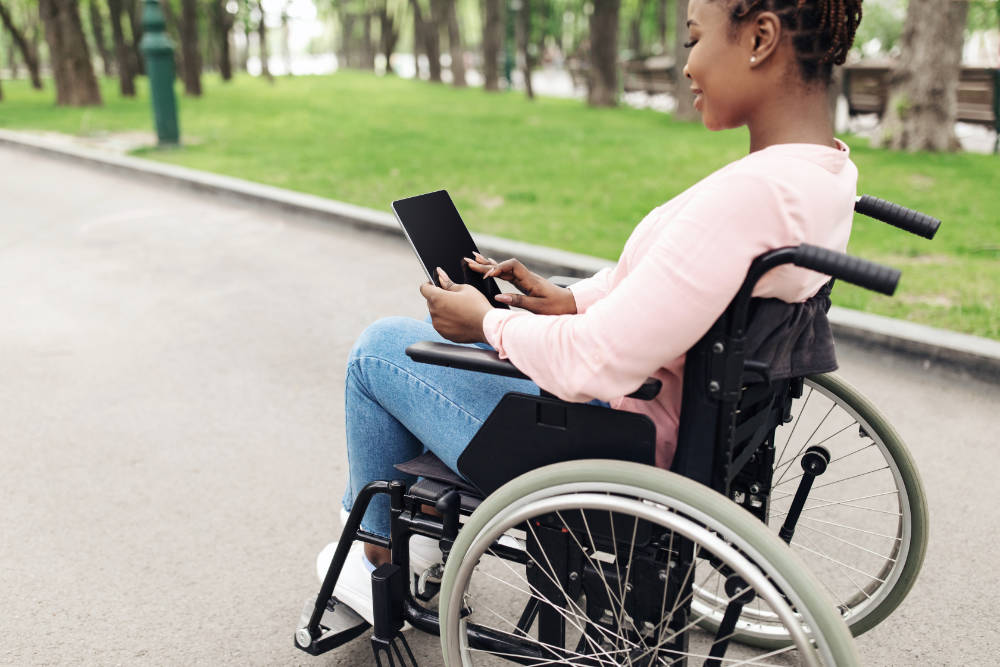
Mobility challenges can change how you move through your day. Tasks may take longer, environments may feel less accessible, and fatigue can build quickly. Assistive devices and mobility support are designed to reduce unnecessary strain and help you move through daily life more safely and confidently.
Who benefits from assistive devices and mobility support?
Assistive devices may help if you’re experiencing movement issues, balance problems, pain, or low energy that make everyday tasks more difficult. You may be living with a neurological condition, recovering from injury, managing chronic pain [link to Pain Management service page], or experiencing changes in mobility linked to physical or emotional health concerns. Support is guided by how mobility challenges affect your daily routines, rather than by diagnosis alone.
What does an assistive device assessment involve?
The assessment looks at how you move, transfer, and perform tasks in your own environment. The focus is on understanding where tasks feel more demanding, where safety becomes a concern, and how equipment can support function without reducing independence.
This assessment commonly considers:
- The activities you need to manage each day
- The environments where moving around feels most challenging
- Physical and cognitive demands placed on you
- The level of training or support required for safe use
The findings guide the selection and training to ensure that devices are practical and sustainable for you.
How does wheelchair assessment and training support participation?
Wheelchair assessment considers posture, endurance, mobility, and access in everyday environments. The aim is to support comfort, safety, and functional use across settings such as home, community spaces, or work environments.
Training is a critical component. You are supported in using equipment confidently, managing transfers safely, and integrating mobility strategies into your daily routines. Where relevant, wheelchair use may intersect with vocational planning or ergonomic considerations within the workplace.
What should I expect from this service?
You can expect a considered process that prioritises function over equipment. Time is taken to assess needs, trial options, and provide training so that devices support your daily life rather than complicate it.
How do I know when mobility support is worth exploring?
If movement challenges are limiting your independence, safety, or participation, an assistive device assessment can provide clarity and practical support.
To discuss assistive devices or wheelchair assessment, contact us to explore mobility support tailored to your daily needs.