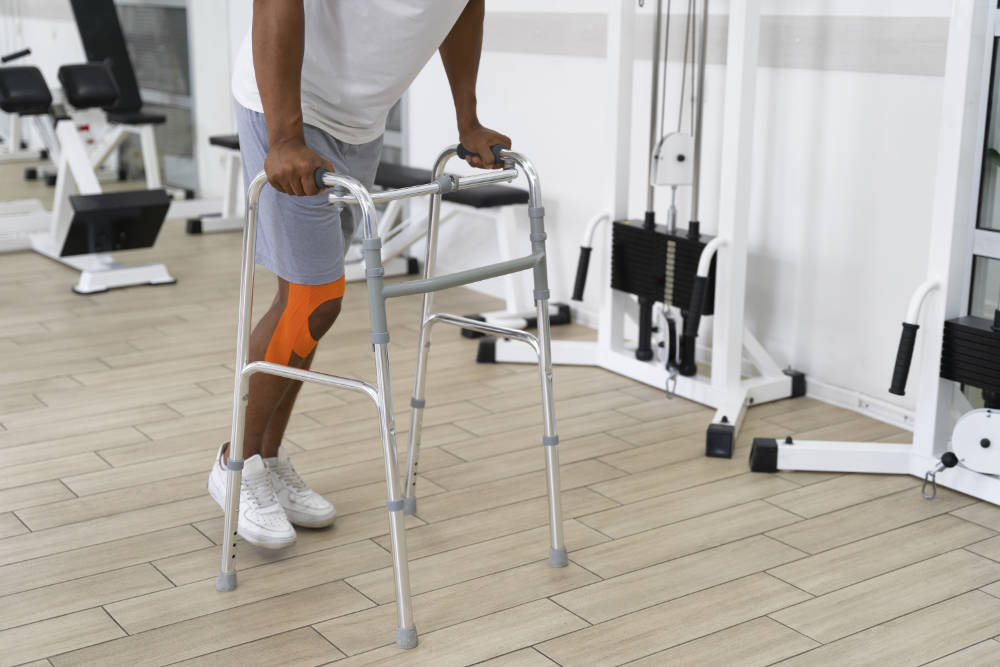
Work often provides us with structure, routine, and a sense of contribution. However, when you are experiencing illness, injury, mental health challenges, or ongoing pain, it can feel overwhelming to go back to work. Vocational rehabilitation provides a structured way for you to assess your work readiness, rebuild your capacity, and support a safe and sustainable return to work or training.
Who is vocational rehabilitation for?
Vocational rehabilitation is important if your ability to work has been affected by physical injury, neurological change, psychiatric conditions, or persistent pain. You may be considering a gradual return to work, adjusting to job demands, or exploring new career options following changes in how you function.
This service is also appropriate if you are unsure about your work readiness, especially when clinical assessment findings, pain management needs, or home responsibilities affect your capacity to work.
What does vocational rehabilitation involve?
Vocational rehabilitation begins with understanding your work history, your job’s current demands, and the functional impact of your condition (how it affects your ability to perform daily tasks). The assessment considers your physical capacity, cognitive demands, emotional factors, and environmental pressures.
A key component of vocational rehabilitation is a functional capacity evaluation, which provides a structured assessment of your ability to perform work-related tasks. Findings may help return-to-work planning, vocational skills development, or broader occupational decision-making.
Intervention may also include pre-vocational and vocational skills development, focusing on building the basic skills needed to prepare for work and the practical skills required to manage specific job tasks.
How do you support work readiness?
We provide practical and paced support. Our intervention focuses on aligning your capacity with realistic work demands rather than you having to push through symptoms at work. Strategies may involve task modification, graded exposure to work activities, or adjustments that support sustainable participation.
Where relevant, vocational rehabilitation may intersect with ergonomic assessment, particularly when workplace setup contributes to your strain or pain.
How does vocational rehabilitation fit into broader care?
Vocational rehabilitation does not exist in isolation. Findings may guide further clinical intervention, inform medico-legal reporting, or support planning within home and community-based services. This approach helps everyone involved work from the same plan, reducing confusion and improving communication between services.
When should I consider vocational rehabilitation?
If you feel uncertain about returning to work, maintaining employment, or preparing for vocational activity, vocational rehabilitation can provide you with structured guidance and functional clarity.
To discuss whether vocational rehabilitation is appropriate for your situation, contact us to book an assessment and start planning towards safe and meaningful work participation.